
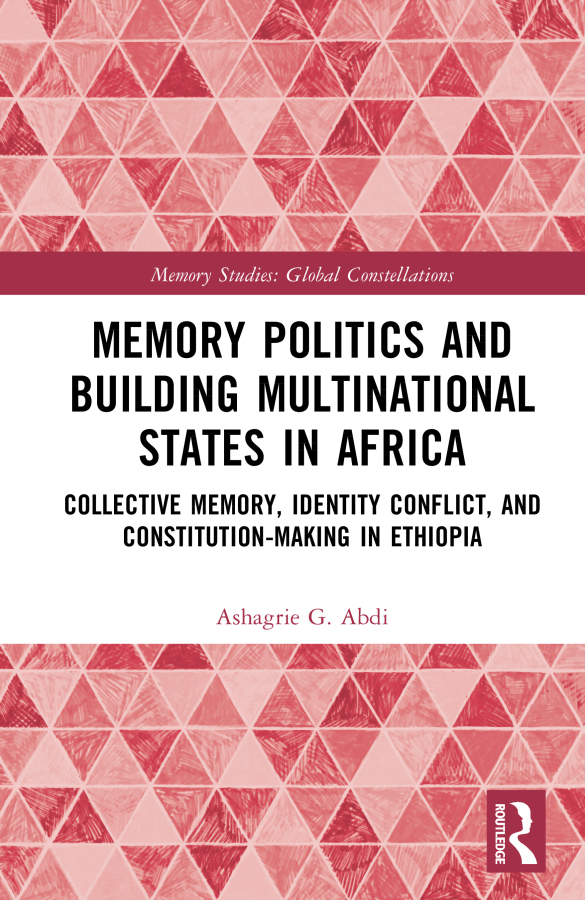
Memory Politics and Building Multinational States in Africa
Vše od
Taylor & Francis
ISBN: 9781041114024
This book tackles the fundamental question of how a society with competing collective memories and visions can build a common nation while trying to reconcile the past and forge a common future. Within the Ethiopian context, it offers a detailed case of how law, memory, and power interact in post...
Chcete ušetřit? Najdete u nás i výhodné sady produktů.
Množstevní slevy pro školy i jednotlivce.
4 738 Kč
- 1 - 3 ks
- 4 738 Kč
- 4 - 20 ks
- 4 691 Kč
- 21 a více ks
- 4 645 Kč
Naše cena 4 738 Kč je o 5 % nižší než
doporučená cena výrobce 4 988 Kč.
Předpoklad doručení do 18. listopadu *
* Termín expedice je odhadovaný a může se mírně upravit podle termínu dodání od našeho dodavatele. Pokud by došlo ke změně, vždy vás budeme včas informovat.
Nepřehlédněte od Taylor & Francis ↓



4 738 Kč
Více o produktu ↓
This book tackles the fundamental question of how a society with competing collective memories and visions can build a common nation while trying to reconcile the past and forge a common future. Within the Ethiopian context, it offers a detailed case of how law, memory, and power interact in post-conflict, multi-ethnic societies.
This book tackles the fundamental question of how a society with competing collective memories and visions can build a common nation while trying to reconcile the past and forge a common future. Delving into the complex interplay between collective memory, identity, nation-building, and constitution making within the Ethiopian context, it offers a detailed case of how law, memory, and power interact in post-conflict, multi-ethnic societies.
Using the 1995 Ethiopian Constitution as a case study, the book investigates how competing collective memories and identity conflicts have shaped Ethiopia's national identity, governance, and broader efforts toward nation-building in a multinational state. Drawing on in-depth interviews, document analysis, and theoretical insights, it explores how historical grievances, identity politics, and contested memories were embedded in constitutional debates over federalism, language, the flag, and the right to self-determination. The analysis highlights the ways in which these collective memories influence political dynamics, contribute to ongoing internal conflicts, and shape national narratives. Offering a deeper understanding of how memory politics affects governance and stability, this work addresses the broader implications for scholars and policymakers interested in the intersections of memory, identity, and constitutional processes in diverse societies.
By centering Ethiopia, and through a synthesis of theoretical frameworks and empirical research, this book provides crucial insights into the challenges and possibilities of nation-building across the Global South, making it essential reading for researchers and advanced students interested in the complexities of governing multinational states, African politics and law, and those with interests in memory studies, sociology, social psychology more broadly.
Obsah
Introduction 1. Collective Memory, Nation-Building, and Constitution-Making 2. Nation-Building 3. The Ethiopian Experience in Constitution-Making 4. The 1995 Constitution and Collective Memory: Challenging Hegemony Through Self-Rule 5. Ethiopia’s National Symbols: Contested Meaning of Trauma and Glory 6. Language, Collective Memory, and Contested Nation-Building 7. Collective Memory and Inclusion/Exclusion, Legitimacy, and Power 8. Summary, Findings, and Recommendations
- Výrobce
- Taylor & Francis
- Jazyk
- eng
- Autor
- Abdi, Ashagrie G.
- Obsah
- Hardback
- Rok vydání
- 2025
- Počet stran
- 270
Zanechte své hodnocení
Budeme rádi, když se podělíte o svou zkušenost s Memory Politics and Building Multinational States in Africa a pomůžete tak ostatním zákazníkům při výběru.